Do you have Champagne wishes and caviar dreams on the mind but you're living in a Prosecco and pickled herring reality? Everyone wants to hop on a private jet to Napa or Tuscany, take a limo to private tastings, and hit up Michelin star restaurants before retiring in five star hotels – want being the operative word. Thing is, these places are expensive! Luckily the cash-strapped wine enthusiast has other options for visiting wine regions on a budget.
Languedoc, France
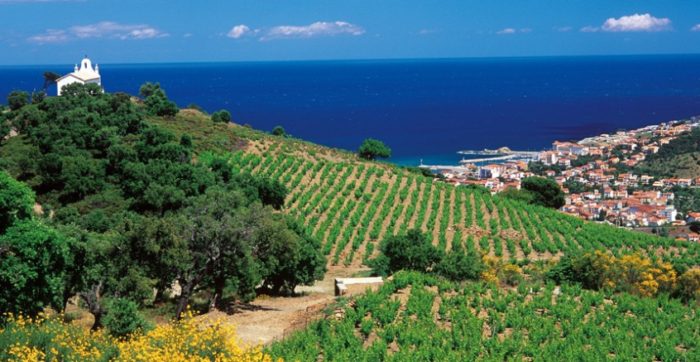
Why you should go: Sure, you can probably list a half dozen more well-known wine regions in France. Compared to Bordeaux, Rhone, and Champagne, the Languedoc is a relatively obscure but stunningly beautiful area, blanketed with Roman ruins, ancient monasteries, winding rivers, and of course, plenty of vineyards. Karen MacNeil, author of the prolific "Wine Bible" calls the Languedoc-Roussillon region "France's best kept secret."
The wines: They're big on biodynamic and organic farming here, producing everything from sweet to dry, sparkling to still, and even fortified wines. Red wine blends dominate production and are usually made from a combination of Grenache, Carignan, Syrah, and Mourvedre. Expect full-bodied, ripe, and fruit-driven reds with big aromatics, low acidity, and a backdrop of the famous herbal "garrigue" quality. If you like Rhone wines, you'll dig stuff from here. You can also find plenty of refreshing white wines made from varieties like Chenin Blanc, Viognier, Chardonnay, Sauvignon Blanc, and Muscat. Finally, we'd be doing you a disservice without mentioning one of the best values in sparkling wine, Cremant de Limoux, made in the Champagne method but sold for less than Champagne prices.
Loire Valley
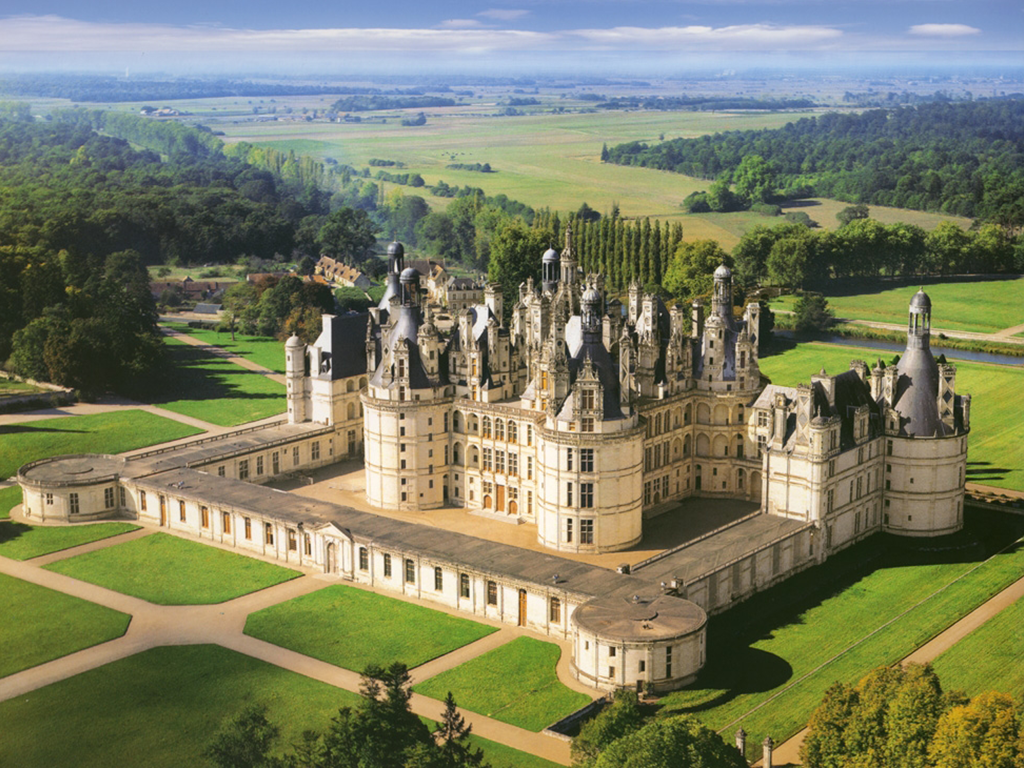
Why you should go: Loire is the former playground of kings and queens. Just a few hours south of Paris, this gorgeous region features high quality wines, fewer tourists, breathtaking castles, and plenty of incredible dining options.
The wines: The Loire Valley isn't exactly an undiscovered region, but it is still hugely undervalued. You'll find a huge range of elegant and high-quality wines here. There's Chenin Blanc in every style from sweet and age worthy Savennières to bone-dry Vouvray. Of course there's zippy, mineral Sancerre as well as perfect-with-lunch Muscadet. You'll also find plenty of reds like Cabernet Franc, Pinot Noir, Malbec, and Gamay that show a sense of purity and terroir with lower alcohol levels. And like Limoux, Crémant de Loire offers another fantastic value bubbly.
Greece
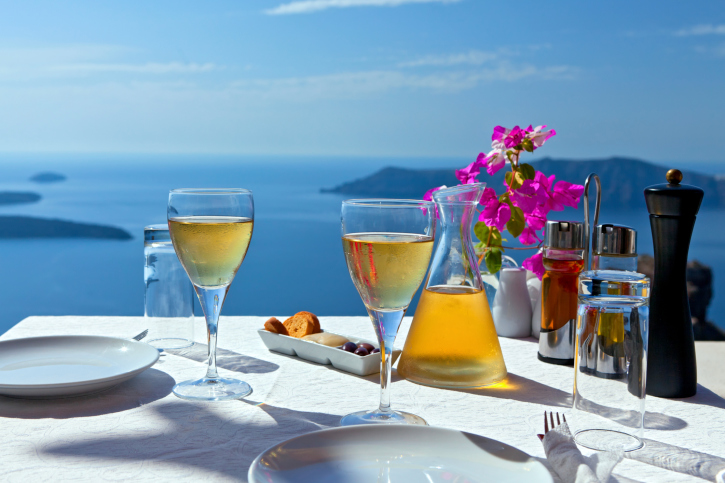
Why you should go: Spend your time visiting spectacular white-washed seaside towns in the Ionian islands, strolling on the sandy (and often nude!) beaches of Cyclades, touring ancient ruins of civilization in Athens and Crete, and drinking wine everywhere, of course.
The wines: Assyrtiko is the big one, a lean, tropical-edged white with zippy acidity. If pronunciation is not your strong suit, prepare to do a lot of random pointing at lists; the wines don't get any easier to pronounce - Moschofilero, Malagousia, Savatiano, and Agiorgitiko to name a few. Local restaurants often serve their own impossibly cheap but unbelievably drinkable house wine straight from the barrel. Then there's "retsina," an unusual white wine some say tastes like turpentine thanks to its traditional use of pine resin to seal the barrels. It's often served in a nondescript plastic bottle. Try it once. You might like it.
Texas Hill Country
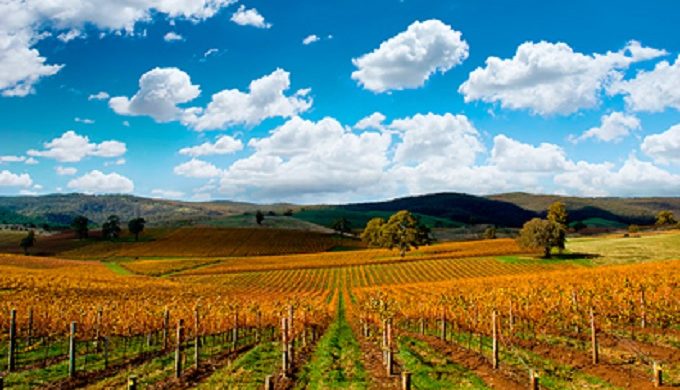
Why you should go: Texas is not all big trucks, BBQs, and rodeos. In fact, Texas has 400+ wineries across eight established AVAs. Most of the wine is grown in the High Plains AVA, a dry climate sitting between 3,000 and 4,000 feet elevation.
The wines: Cabernet and Chardonnay are the most planted grapes, followed by Merlot, Syrah, and some Zinfandel, Sangiovese, and Viognier. Some Spanish varietals have taken hold here too! Albarino thrives in the higher elevation and Tempranillo in the warmer, lower elevation vineyards. There's even an American hybrid, Blanc du Bois, a white wine made in both dry and sweet styles.
Okanagan Valley, B.C.
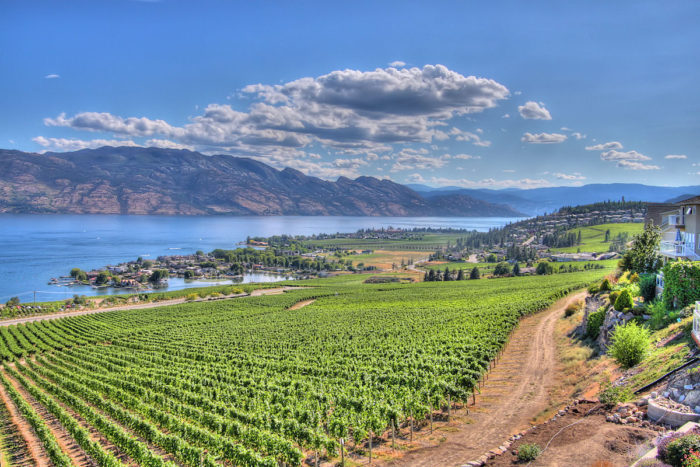
Why you should go: Canadian wine doesn't get as much love as it probably should, but a trip to the Okanagan Valley will change that perspective quickly. It's rapidly becoming a premier wine growing region and is host to some very serious wineries. It's a little out there, about 4-hours from Vancouver, but worth the drive.
The wines: Wineries can be found up and down the banks of Okanagan and Osoyoos lakes. Long, hot days in the summer and low rainfall, along with various soil types and microclimates, make this region an ideal place to grow wine grapes. Merlot is the most planted variety, along with Pinot Gris, Pinot Noir and Chardonnay. There's also a fair amount of Syrah along with other Bordeaux varieties like Malbec, Cab Sauv, and Cab Franc.
Puglia, Italy
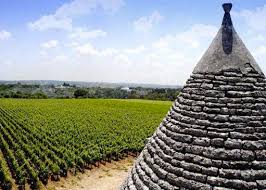
Why you should go: Most tourists head to Italy's premier wine destinations, including Piedmont, Tuscany, or Veneto. These are all great places, but everything's more expensive there - the rooms, the food, the wine. For more of a low country feel, head south to Puglia on the heel of the country. There's way fewer tourists, dirt cheap hotels and Airbnb options, excellent food, and of course plenty of wine. This is where Italians go on vacation to escape the tourists in their home towns.
The wines: Wine Folly called Puglia "Italy's secret to value." It's in the southern part of Italy, so the climate is warmer and the region is definitely rustic. Expect to find some big, bold reds like Nero D'Avola and earthy, perfumed Negroamaro. The latter is often blended with Malvasia Nera, Sangiovese, and Montepulciano. Bombino Nero is another lesser known grape often used to make rose.
Portugal
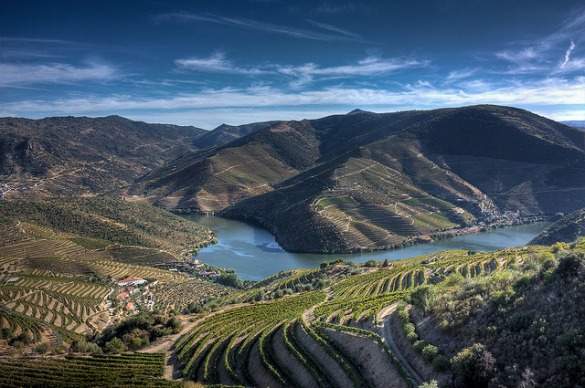
Why you should go: Super affordable compared to the rest of Europe. Great food and a long history of making wine.
The wines: For the highest quality, you'll want to look for DOC wines. Among the most widely known options is port, which is found in the Douro Valley. There's good Alicante and Vinho Verde, a fresh, zesty, and sometimes slightly carbonated white wine that pairs nicely with kicking back and soaking in the sun. Wines from the Dão region age well. And if you see a wine called Jaen, that's the same as Spain's Mencia - think fuller-bodied Pinot meets Zinfandel.
Loudoun, VA
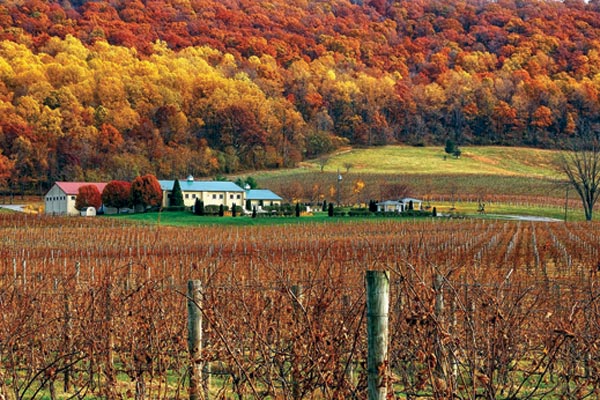
Why you should go: Also known as "DC's wine country," this region is coming into its own. It produces a range of wine from sparkling and sweet to traditional Bordeaux-styled reds and crisp whites. History buffs and wine lovers dreams collide in Virginia. Just south of Loudoun county you'll find Monticello where Thomas Jefferson, our forefather of wine, laid his vision.
The wines: You'll find a lot of Chardonnay, Cabernet Franc, and Merlot here. There's also a strong emphasis on Vidal Blanc and Viognier.
Mendocino, CA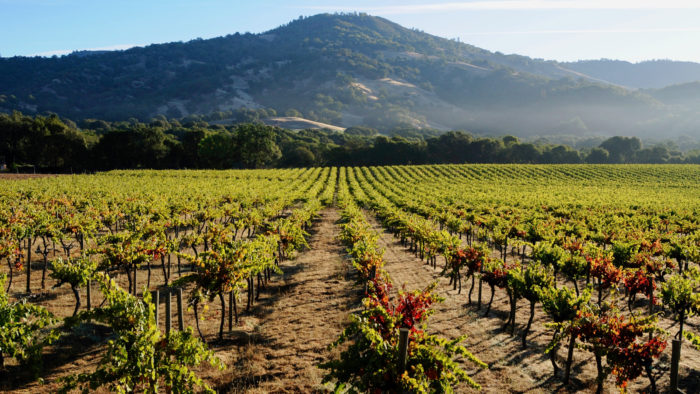 Why you should go: This is where Willie Nelson would make wine. Napa and Sonoma attract all the tourists, but just 90 miles north you'll find great terroir and some good ol' boys making good ol' wines.
The wines: Bordeaux varietals like Merlot, Cab Franc, and Cabernet Sauvignon are popular here. Whites include Chardonnay, Riesling, and Viognier.
Mexico
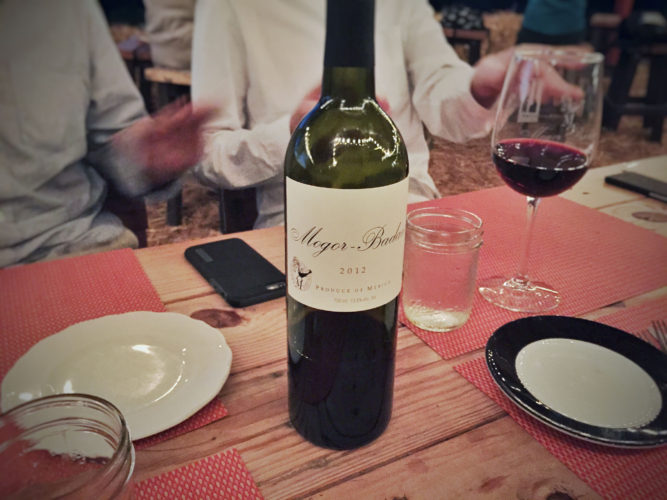
Why you should go: You probably think more tequila than wine when Mexico comes to mind, but believe it or not, Mexico has some great wines! If you live on the west coast, it's cheap and accessible to get there, and you can always take a detour from wine country to Cabo or Puerto Vallarta to dip your toes in the sand and sip on cocktails.
The wines: Wine grapes have been growing here since the 16th century and represent a melange of French, Spanish, and Italian varieties. They're a little adventurous here, often making unconventional blends using something like Cabernet Sauvignon, Grenache, and Barbera. Valle de Guadalupe is the most established region, sometimes called the "Napa Valley of Mexico." Situated just south of California on the Baja peninsula, this region hosts 150+ wineries, mostly small producers, and has a Mediterranean climate ideal for grape growing.