On May 24, 1976, a blind tasting event in Paris — later dubbed the Judgment of Paris — shook the wine world to its core. Suddenly, California wine went from relative obscurity to global stardom (and, for some French traditionalists, utter scandal).
Most people know the headline: California bested France. But the story behind the tasting is just as fascinating.
Steven Spurrier Had No Idea What He Would Unleash
The event’s organizer, Spurrier, simply wanted to shine a light on his Paris wine shop, Cave de la Madeleine. He couldn’t have imagined the ripple effect that would follow — and probably would have reconsidered if he had. Many of his French friends were less than thrilled afterward.
It Wasn’t Really a Contest, and it Wasn’t Spurrier’s Idea
The tasting wasn’t meant to be a dramatic showdown. Spurrier’s American colleague, Patricia Gasteaud-Gallagher, suggested a France vs. America tasting in honor of the U.S. Bicentennial. She’d already run several July 4th tastings in Paris, but the wines were mostly lackluster.
His Assistant Picked the Stars
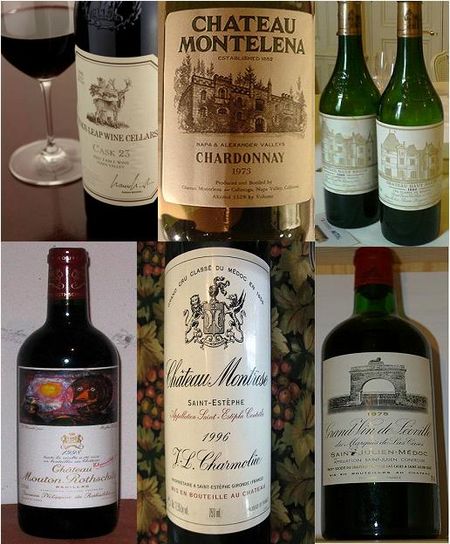
Gasteaud-Gallagher scouted California wineries and was impressed by Chateau Montelena and Stag’s Leap Wine Cellars. After Spurrier tasted these wines himself, he agreed that they could hold their own against top French bottles. So, a blind tasting was set.
The lineup? Ten whites, including Chardonnays from California and Burgundy, and ten reds with Cabernet Sauvignons from California and Left Bank Bordeaux blends. Eleven tasters (mostly French, plus Spurrier and Gasteaud-Gallagher) evaluated the wines blind. The roster included Grand Cru Burgundy and First Growth Bordeaux, so the stakes were high.
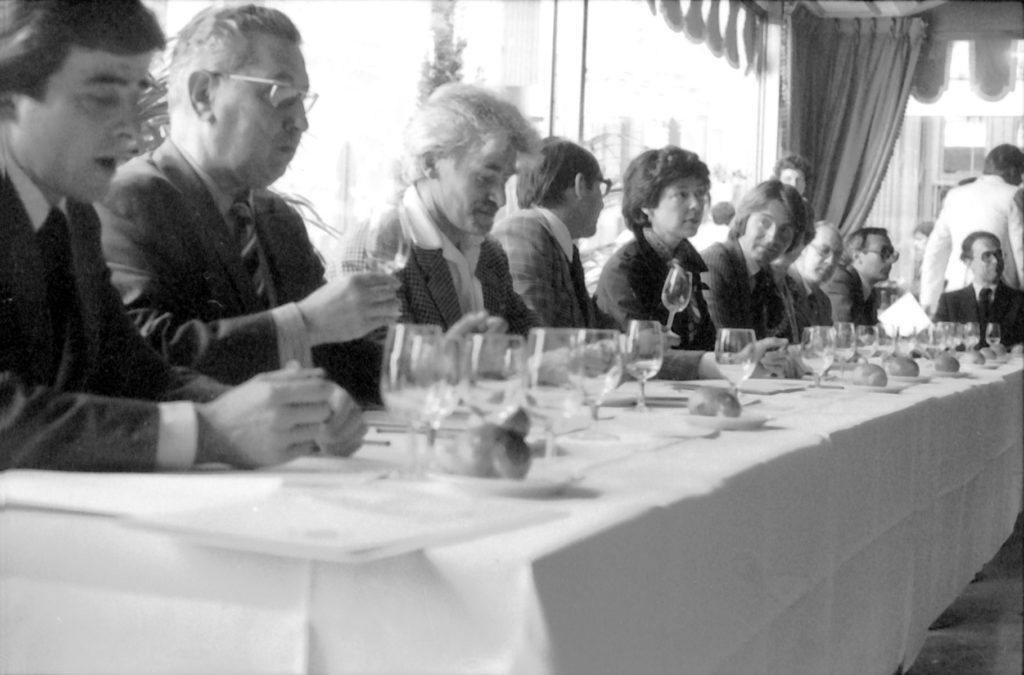
Among the tasters were heavy hitters like Aubert de Villaine, co-director of Burgundy’s legendary Domaine de la Romanée-Conti; Christian Vannequé, sommelier at the celebrated Parisian restaurant La Tour d’Argent; and Odette Kahn, editor of the revered French wine publication La Revue du vin de France.
Each taster scored the wines out of 20, but here’s the catch — the event was meant to be educational and fun, not a high-stakes competition. None of the tasters had any idea they would forever be known as “judges” of one of the most historic tastings in wine history. The long-term impact? Unpredicted.
The Journalist Who Reported the Event Had Never Written About Wine Before
Only one journalist, George Taber, a foreign correspondent for Time magazine, was present. Without him, the tasting might have gone completely unnoticed. His four-paragraph recap a week later, on June 7, marked his first wine article. It carried the headline “Judgment of Paris” — appearing as the second story in the Modern Living section, just after a piece about a new theme park in Atlanta.
Fun fact: before Taber’s article, the Judgment of Paris was known only as a Greek myth, a contest of beauty among the goddesses Hera, Athena, and Aphrodite.
“The Paris Tasting shattered two foundations of conventional wisdom in the world of wine. First, it demonstrated that outstanding wine can be made in many places beyond the hallowed terroir of France. Second, the Paris Tasting showed that winemakers did not need a long heritage of passing the wisdom of the ages down from one generation to the next to master the techniques for producing great wine.”
— George Taber, Time, 1976
You know Chateau Montelena won the white wine tasting, besting all of the Burgundies, but several other California wineries also beat out French competitors. The 1973 Stag’s Leap Wine Cellars Cabernet Sauvignon topped the red wine tasting, outperforming First Growth Bordeaux like Château Mouton-Rothschild and Château Haut-Brion. Meanwhile, the 1974 Chalone Vineyard and 1973 Spring Mountain Vineyard finished third and fourth in the white lineup — meaning three of the top four whites hailed from the U.S. Other standout California producers included Ridge, Freemark Abbey, Veedercrest, and David Bruce.
The Wines Almost Didn't Make it to France
Remember, the Judgment of Paris wasn’t created as a grand showdown. Many of the California winemakers had no idea their wines were part of the event. Most bottles were transported by Joanne DePuy, a friend of Gasteaud-Gallagher’s and a U.S. wine tour organizer. She had to twist the arm of a TWA official to carry three cases, far more than the two-bottle-per-person limit, onto the plane.
The Owners of Chateau Montelena Were Tasting in Bordeaux When They Got the News
Coincidentally, two of those Americans were Jim and Laura Barrett, owners of Chateau Montelena. While in Bordeaux, about to sit down to lunch with Alexis Lichine at Chateau Lascombes, the Barretts received a call from Paris relaying the news that their Chardonnay had taken first place.
They had to play it cool — no celebrating in front of their Bordeaux hosts — but once back on the tour bus, they erupted. Mike Grgich, who made the 1973 Montelena Chardonnay, learned of the news via a telegram from the Barretts. Warren Winiarski, winemaker of the 1973 Stag’s Leap Cabernet Sauvignon, didn’t hear about his win until the tour group returned home.
Some Random Facts About the Wines
A few fun tidbits about the Judgment of Paris: the blend for the 1973 Stag’s Leap Wine Cellars Cabernet Sauvignon included 1 percent Pinot Noir. Legally, a wine labeled Cabernet Sauvignon only needs 75 percent Cabernet grapes, but Pinot Noir is a highly unusual addition.
The original 1976 Time article noted the winning California wines were “rather expensive ($6 plus).” Imagine grabbing a 1970 Ridge Monte Bello or Stag’s Leap Cabernet Sauvignon for the price of a sandwich.
Although Ridge Vineyard’s Monte Bello Cabernet finished fifth in the original rankings, it was later vindicated. On the 30th anniversary, a “Judgment of Paris Revisited” tasting was held at COPIA in Napa. Seasoned tasters, including Jancis Robinson and Michel Bettane, revisited the same wines — and this time, Ridge’s iconic Monte Bello topped the list. This put to rest the idea, stubbornly held by some of the French, that California wines couldn’t age.
The Judgment of Paris didn’t just make headlines; it changed the wine world. It put California wine on the map and inspired winemakers in underdog regions around the globe to strive for world-class wines.
The tasting has been replicated several times in anniversary years, first in New York in 1986 then in Napa and London in 2006. And every time, California triumphed again.