Wines, like stocks, come in all shapes, sizes, and prices. Some are high-flying expensive bottles, think Amazon-level, while others deliver serious value—and we loooove a good value wine. Deals are basically our love language. That said, we get it—you probably don’t buy all your wine from us (shockingly enough). Next time you’re out hunting for a great deal or just something new to try, keep your eyes peeled for a few of these hidden gems.
Lambrusco
Yes, we said Lambrusco. And yes, some of you just rolled your eyes and closed the tab—but hang tight, hear us out. You might remember Lambrusco as a sickly sweet bubbly, more soda than wine. Thankfully, those days are behind us. Modern Lambrusco is dry, lightly sparkling, and beautifully crafted. Think of it like the LaCroix of wine—refreshing, elegant, and surprisingly sophisticated. Specifically, Lambrusco di Sorbara is the one to look for: light, floral, zippy acidity, and all-around wallet-friendly.
Negroamaro
When it comes to Italy, northern regions like Piedmont, Tuscany, and Veneto usually get all the glory—and deservedly so. But if you venture south, you’ll find treasures that might surprise even seasoned wine lovers. Enter Negroamaro. Hailing from Puglia, this dark, earthy grape brings structure, spice, and deep, juicy fruit. It’s a bit under the radar, which makes it perfect for discovering something new without breaking the bank.
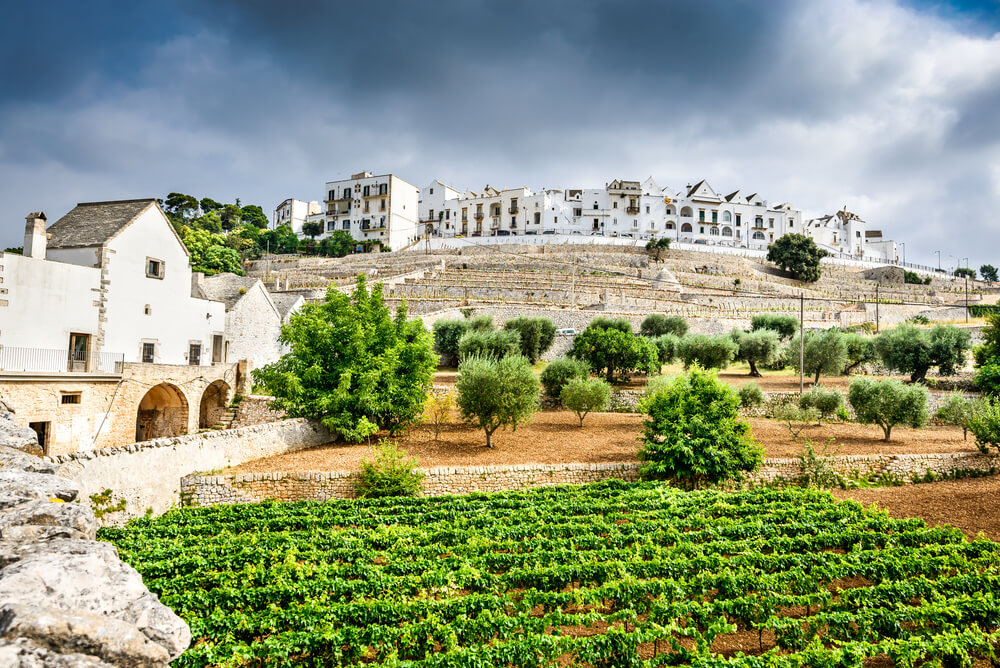 Locorotundo is a beautiful town in Puglia defined by its white buildings.
That’s because for decades the heel of Italy (Puglia, specifically) was more famous for cheap jug wines that rarely made it outside the region and were mostly enjoyed by locals. Over time, the area has seen a serious upgrade in winemaking, thanks in part to outside investments from big names like the Antinori family. Today, Puglia is the definition of an undervalued wine region, and Negroamaro is its crown jewel.
It’s also an incredible place to visit in the summer. Just check out the quaint town of Polignano a Mare, where you can snag a smokin’ good Airbnb just minutes from the warm Adriatic.
Back to Negroamaro: it’s a light- to medium-bodied wine with a silky mouthfeel, often compared to Zinfandel/Primitivo. You’ll also find some gorgeous rosés made from it. Some bottlings are blended with bolder, more tannic wines for extra structure; others are aged in oak or stainless steel. In other words, there’s a lot of variety, and it’s rare to see any bottle priced above $20.
Costières de Nîmes
Rhone wines are insanely popular — and for good reason. With lush Grenache fruit and the savory depth of Syrah, it’s easy to fall head over heels for Hermitage, Châteauneuf-du-Pape, and Côte-Rôtie. But the outlying regions around these famous names often produce wines that are just as concentrated, elegant, and flavorful, all at a fraction of the price. One standout is Costières de Nîmes, tucked in the southernmost part of the Rhone between Provence and Languedoc.
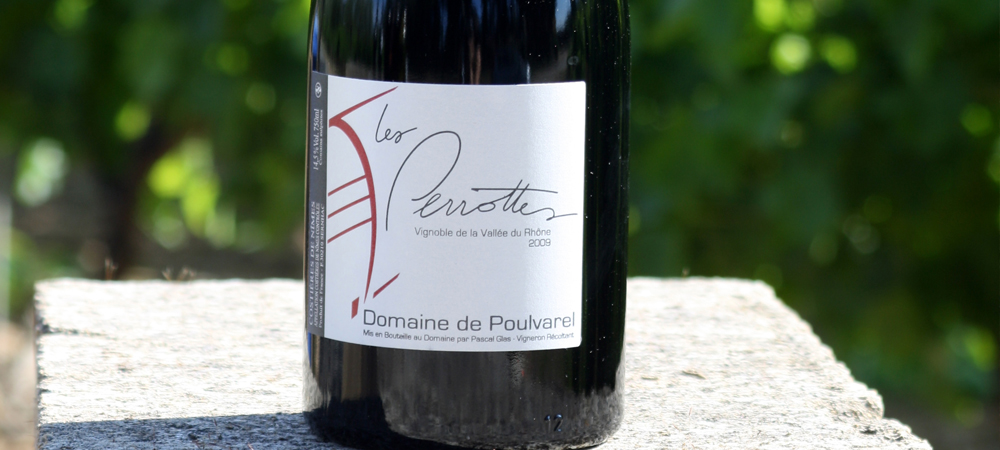 "Les Perrottes" is a Syrah-dominant blend that routinely gets 90+ points.
They produce mostly red and rose wines with a small amount of whites in the mix. They build on the familiar Rhone blend with Syrah leading the charge, and Grenache second in command with a bit of Mourvedre and Carignan following the ranks. We have a huge crush on Domaine de Poulvarel, arguably one of the best values in all of Rhone and a constant customer favorite.
Mencia
Spain is most known for its powerful and age-worthy Rioja or Priorat. But Mencia (pronounced "men-thee-a"), a lesser known grape found mostly in the northwest, has been continually improving in quality. It's also much cheaper than the aforementioned Rioja or Priorat wines.
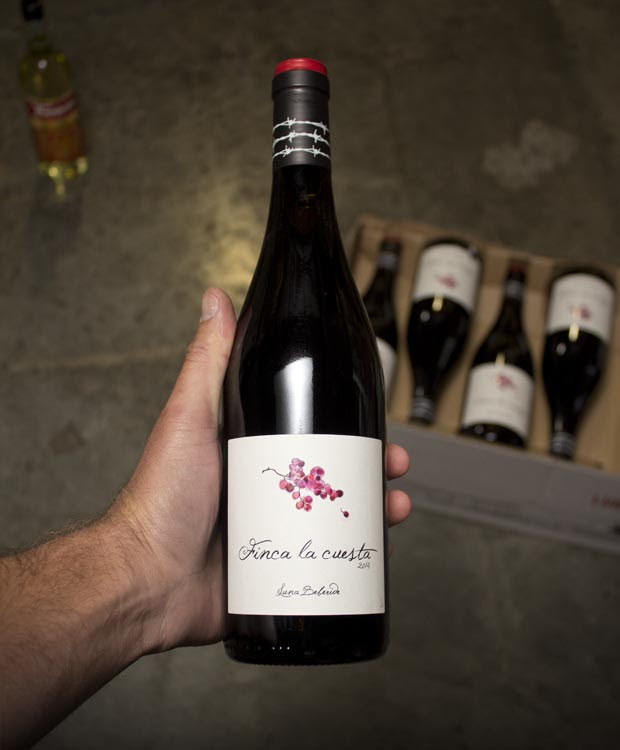 Lush fruit, incense, Asian spices, bright and focused red fruit, sweet cherries and marmalade, fruit wood (think ribs smoked on apple or cherry wood!), and wonderful warmth.
We’ve offered it a few times, and honestly, it’s just great, easy drinking stuff. If you like Pinot Noir or Cab Franc, you’ll probably dig this. It’s light to medium-bodied, packed with pepper and earthy flavors, along with sour cherry, raspberry, and gravel notes. Hard to find a bottle over $25, and they’re routinely available around $15.
Rioja Reserva
Compared to the Mencia we just mentioned, a Rioja Reserva or Gran Reserva might seem pricey at first. Then again, compared to a high-end Napa Cabernet, Rioja is downright affordable. Where else can you find a wine for $50 that’s been barrel-aged for four or more years and rested in the bottle for another couple of years before release? Most Rioja wines are mostly Tempranillo and offer incredible value for the quality. Sure, some Reservas top $100, but you can score a high-scoring, age-defying López de Heredia 2005 for around $50, or a La Rioja Alta for a similar price.
Portugal
Portuguese wines deserve a shout-out, even if they’re a little harder to find. Nearly all Portuguese reds are fantastic values, with the exception of certain Ports. Favorites include Bairrada and Dao. Many are made from native grapes like Touriga Nacional and Tinta Roriz, delivering bold flavor and exceptional price-to-quality ratios.
Etna
Relatively unknown but rising fast, Etna wines are an absolute steal. Mount Etna, the active volcano in Northeastern Sicily, creates a rugged growing environment that reaches up to 3,500 feet in elevation. The volcanic soil combined with a dramatic swing in day-to-night temperatures produces some truly striking wines. Nerello Mascalese dominates most reds, also known as Etna Rosso, and the best examples rarely cost more than $30.
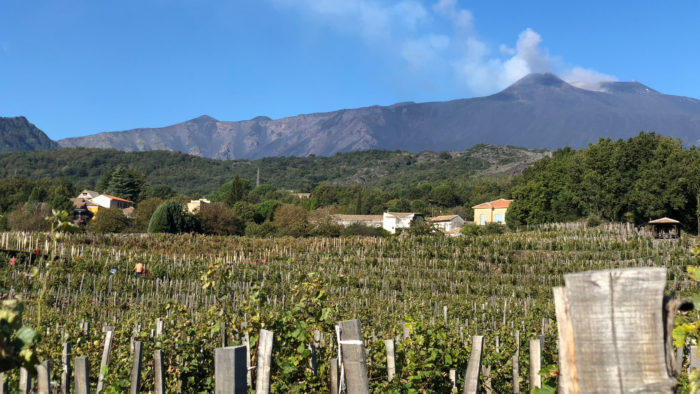 Etna wines benefit from the unique soil surrounding the ancient volcano. Tenuta delle Terre Nere is the most widely recognizable and widely available producer. Some others worth looking out for include Planeta, Contino, and Benanti.
German Spätburgunder
If you’re a fan of Pinot — and why wouldn’t you be — you’re probably familiar with Sonoma and Burgundy. Both regions put out excellent expressions of this popular varietal, though prices can get astronomical, and finding a decent bottle under $30 is no easy task.
German Pinot didn’t always get glowing reviews. Quite the opposite, actually. In 2002, Robert Parker wrote:
“German Pinot Noir is a grotesque and ghastly wine that tastes akin to a defective, sweet, faded, diluted red Burgundy from an incompetent producer.”
Fast forward nearly twenty years, and the story has flipped. Pinot now grows in most German wine regions, though it makes up only about 11% of total plantings. For a long time, critics dismissed these wines as too acidic or unripe, but warmer temperatures from climate change have helped grapes ripen more fully. Modern winemaking techniques and improved clonal selection have also boosted quality. The result is a new wave of German Pinot that’s ripe, bright, and expressive of its terroir. Many of the best examples avoid heavy oak aging, which preserves freshness and a sense of place. While some bottles can approach triple-digit prices, it’s not hard to find a stellar Spätburgunder for $20–$30.